
Respiratory Distress in the Newborn
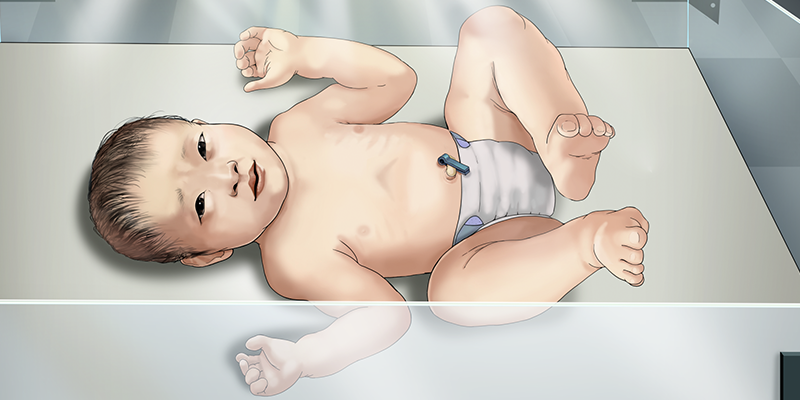
In this video, the viewer will learn the differential diagnosis for newborn respiratory distress, and the epidemiology, pathophysiology, presentation, diagnosis, and management of the most common etiologies.
Learning Objectives
Recall clinical features of neonatal respiratory distress that indicate progression toward advanced airway management and potential intubation
Explain how underlying neonatal respiratory diagnoses influence the decision to escalate from non‑invasive support to endotracheal intubation
Apply a structured approach to preparing intubation equipment and airway support in neonates with worsening respiratory failure
Analyze neonatal clinical presentation and response to initial respiratory support to determine the need for intubation and surfactant administration
Evaluate the safety and appropriateness of intubation readiness based on disease severity, oxygen requirements, and predicted respiratory trajectory
Author(s)
Megan S. Connelly, MD
Associate Medical Director of Well Newborn Services
Pediatric Medicine | Brigham and Women's Hospital
Instructor in Pediatrics | Harvard Medical School
Lucy Rubin, MD
Neonatal Fellow | Ann & Robert H. Lurie Children's Hospital of Chicago
Resident Physician | Ann & Robert H. Lurie Children's Hospital of Chicago
Project Coordinator | OPENPediatrics
Ann Marie McFee, BFA
Lead Medical Illustrator & Animator, OPENPediatrics | Boston Children's Hospital
Traci Wolbrink, MD, MPH
Co-Director, OPENPediatrics; Co-Director, Center for Educational Excellence and Innovation; Program Director, Pediatric Critical Care Medicine Fellowship; Senior Associate in Critical Care Medicine | Boston Children’s Hospital
Associate Professor of Anaesthesia | Harvard Medical School
Citation
Connelly M, Erickson A, Rubin L, McFee A, Wolbrink TA. Respiratory Distress in the Newborn. 5/2018. Online Video. OPENPediatrics. https://learn.openpediatrics.org/learn/course/internal/view/elearning/3543/respiratory-distress-in-the-newborn.